What Is Strength Training? Benefits, Types and How Much You Need
Strength training is any exercise where your muscles work against a resistance and get stronger in response. It sounds simple, and it is. Here’s what it involves, why it’s worth doing and how much you need to see a difference.
If you’ve searched for “strength training” or “strength training near me”, you probably want to know what it really involves before you commit to anything. Strength training means making your muscles work against a resistance, such as a dumbbell, a machine, a band or your own bodyweight, so that they adapt and get stronger over time. That’s it. No special talent required.
What strength training actually is
Every time you lift, push, pull or carry something that challenges you, your muscles are put under a bit of stress. Your body responds by repairing and strengthening those muscles so the same task feels easier next time. To keep improving, you gradually ask a little more of them: more weight, more reps or a harder version of the exercise. This idea is called progressive overload, and it’s the heart of every good strength programme.
Strength training is sometimes called resistance training or weight training. The names overlap. What matters is that the work is challenging and that it builds up over weeks and months.
The benefits of strength training
Most people start for one reason and stay for several others. The main benefits include:
- More muscle. Muscle naturally declines as we get older, and strength training is the most effective way to slow that down. Our guide to building muscle after 40 goes into this in more detail.
- Stronger bones. Loading your skeleton helps maintain bone density, which matters more with every decade, especially for women around and after the menopause.
- Better metabolism. Muscle is active tissue. Keeping and building it supports your body composition and makes fat loss easier to sustain alongside sensible eating.
- Healthier joints. Strong muscles around your knees, hips, back and shoulders help support and protect those joints during everyday life.
- Confidence. Watching the numbers go up week by week is a real boost. Many people find they carry themselves differently once they feel strong.
Types of strength training
There’s no single correct tool. Each has a place:
Free weights
Dumbbells, barbells and kettlebells. They let you move naturally and make your stabilising muscles work hard. They need good technique, which is why coaching helps early on.
Machines
Machines guide the movement for you. They’re useful for beginners, for working around an injury and for targeting specific muscles safely.
Bodyweight
Push-ups, squats, lunges and planks. Great for building a base and for training at home, though most people eventually need extra load to keep progressing.
Resistance bands
Light, cheap and portable. Bands are handy for warm-ups, travel and adding resistance to bodyweight moves.
A good plan usually mixes these. If you’re brand new, our step-by-step guide on how to start lifting weights covers the first few weeks.
How much strength training do you need?
The UK Chief Medical Officers’ physical activity guidelines recommend that adults do muscle-strengthening activity on at least two days a week, working all the major muscle groups. That sits alongside regular aerobic activity such as brisk walking.
In practice, two well-planned full-body sessions of 45-60 minutes is enough for most people to see steady progress. Three can work well if your recovery and schedule allow. If you want a ready-made structure, our strength training for beginners 12-week plan lays it out phase by phase.
A typical session looks something like this: a short warm-up, then four to six exercises covering a squat, a hinge, a push, a pull and a carry or core exercise. You’d do two to four sets of each, resting between sets, and finish with some light stretching if you like. Simple, repeatable and easy to progress.
Common strength training myths
- “It will make me bulky.” Building a lot of muscle takes years of focused training and eating. For most people, strength training makes them look leaner and more toned. Our article on strength training for women over 40 covers this in detail.
- “I’m too old to start.” People can get stronger at any age. Starting later just means starting sensibly.
- “Cardio is better for fat loss.” Both help, but strength training protects muscle while you lose fat, which changes your shape and helps keep weight off.
- “It’s bad for your joints.” Done with good technique and the right load, it tends to support joints rather than damage them.
- “You need hours in the gym.” Two focused sessions a week is a strong starting point.
Finding strength training near you
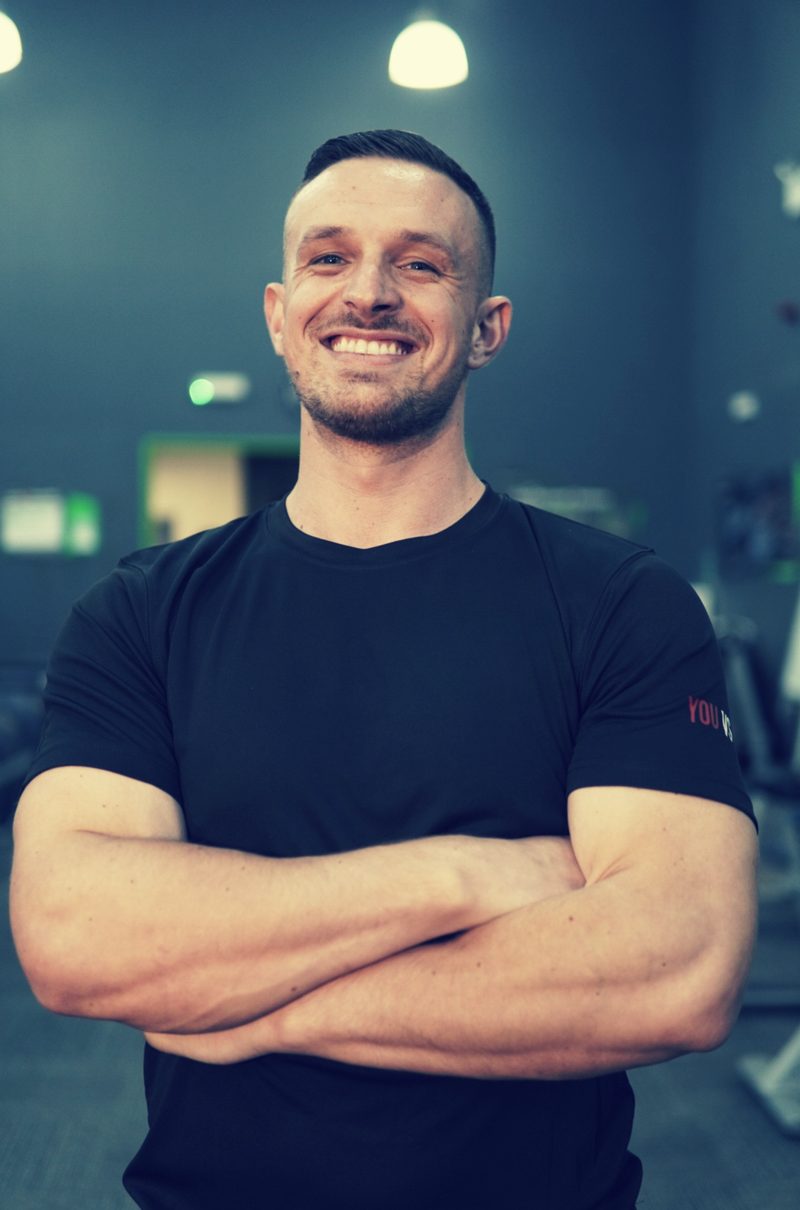
If you’re in North London, SYP Fitness is a private 1-to-1 studio at Navigator Square, 2 minutes’ walk from Archway tube. Artem is a Level 2 and Level 3 personal trainer with more than 10 years of 1-to-1 coaching experience, and our personal training programme is built around strength. On average, clients see a 30%+ increase in strength over 12 weeks, though results vary from person to person.
Check with your GP first if you have a heart condition, high blood pressure that isn’t controlled, a recent injury or surgery, or you’re pregnant. They can tell you what’s safe, and a good trainer will build your plan around their advice.
Want this coached 1-to-1? We’ll show you exactly what strength training should look like for your body and goals. Book a free consultation at our Archway studio.
Frequently asked questions
What is strength training in simple terms?
It’s any exercise where your muscles work against a resistance, such as weights, machines, bands or your bodyweight, and gradually get stronger as you increase the challenge over time.
How many days a week should I do strength training?
The UK Chief Medical Officers recommend muscle-strengthening activity on at least two days a week. Two or three full-body sessions works well for most people.
Is strength training good for weight loss?
Yes. It helps you keep muscle while you lose fat, which improves your shape and makes the results easier to maintain. Pair it with a sensible calorie deficit for fat loss.
Where can I find strength training near me in North London?
SYP Fitness offers private 1-to-1 strength-based personal training in Archway, close to Highgate, Tufnell Park, Islington and Upper Holloway. You can book a free consultation to get started.
Start your transformation
SYP Fitness is a private 1-to-1 personal training studio at 2-4 Navigator Square, Archway, London N19 3UB, 2 minutes from Archway tube. Rated 5.0 from 106 Google reviews.
Apply for a free consultation · WhatsApp Artem · Call 07301 512215 · See prices


