Bodybuilding Posing Basics for Physique Competitors
0 to Elite course · Lesson 92 of 100 · Level 5: Elite
On stage, judges only see what you show them. Posing is how you present years of training in a few minutes. This lesson covers the basics, how to practise and the mistakes that hold first-timers back.
Why bodybuilding posing matters so much
In lesson 89 on choosing a strength sport you looked at the different strength and physique sports, and in lesson 90 on contest prep you planned a prep timeline. Posing is the part many people leave until the last few weeks. That is a mistake. Two competitors with similar physiques can look very different on stage depending on how well they pose.
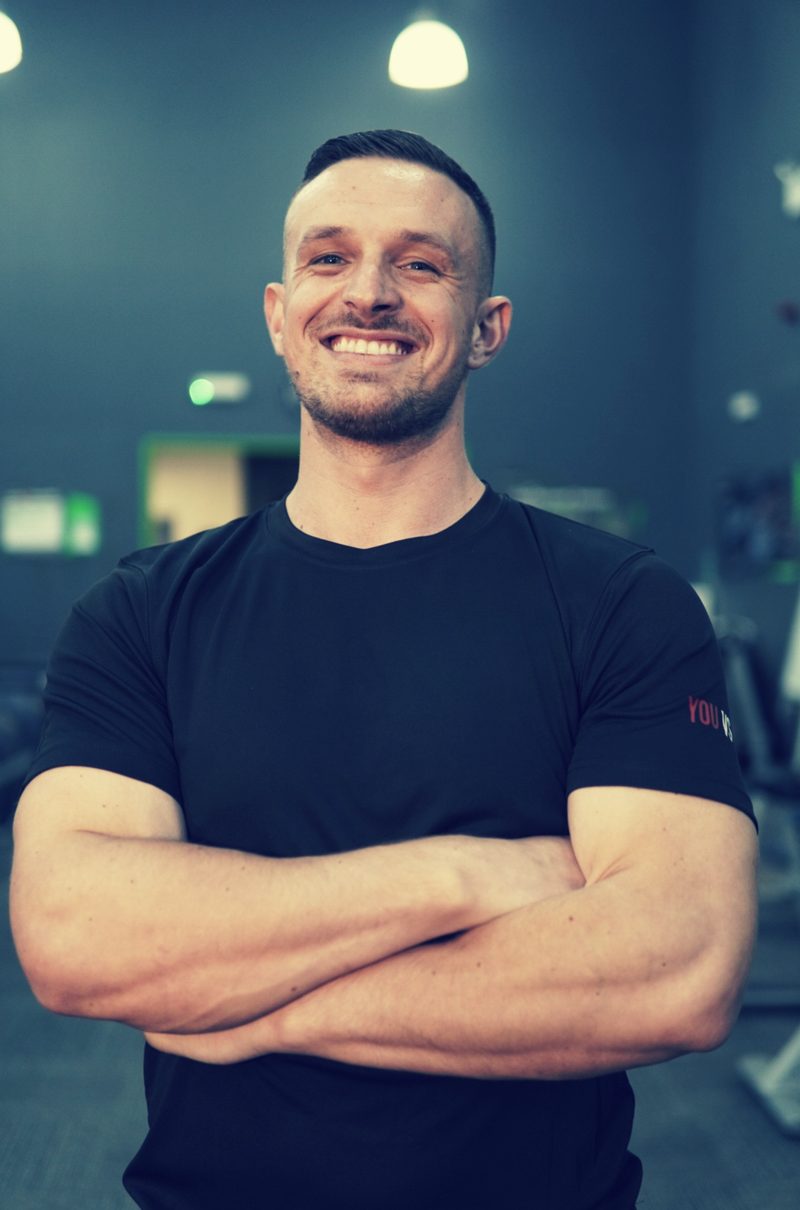
Good posing does three things: it shows your strengths, it hides weaker areas, and it shows the judges you are in control and confident. Artem has competed in bodybuilding himself, and the lesson most first-timers learn is the same: start posing practice early.
Divisions and rules: check your rulebook
Different divisions ask for different things. Classic bodybuilding-style categories usually use a set of “mandatory poses” plus a short individual routine. Physique and figure-style categories tend to use quarter turns and a smaller number of stances, with more focus on shape, flow and presentation.
The exact poses, the order, what you can wear and how long your routine can be all vary between organisations and divisions. Check your federation’s rulebook as soon as you choose a show, and practise exactly what it asks for.
The common poses explained
Many bodybuilding divisions use some version of these. Treat this as a general guide, not a rulebook:
- Front relaxed and quarter turns: standing “relaxed”, but actually tensed, facing front, side, back and other side. This is often where judges compare shape and balance.
- Front double biceps: arms raised, biceps flexed, while keeping the waist tight and the legs tensed.
- Front lat spread: hands on the waist, spreading the back muscles to show width from the front.
- Side chest and side triceps: turning side-on to show the chest, arm and leg from one angle.
- Back double biceps and rear lat spread: showing the back, rear shoulders and calves.
- Abdominals and thigh: hands behind the head, abs crunched down, one leg forward and flexed.
Physique-style divisions often use only some of these, or adapted versions. Again, check what your division requires.
How to practise posing
- Start early. Begin at least a few months before your show, a little most days.
- Use a mirror, then a camera. A mirror helps you learn the shape. Video shows you what judges actually see, including the angles you cannot see yourself.
- Build from the feet up. Set your feet, then legs, then hips, waist, chest, arms and finally your face. A good pose is built from a stable base.
- Hold under tension. Practise holding each pose for longer than you will need on stage. Posing is tiring, and shaking muscles look weaker.
- Practise transitions. Moving smoothly from one pose to the next looks controlled and confident.
- Get feedback. An experienced coach or posing coach can spot things in seconds that you might miss for weeks.
Common posing mistakes
- Forgetting the legs. Many people flex their upper body and let their legs go soft.
- Losing the waist. Pushing the stomach out in front poses makes you look blockier. Keep the waist pulled in.
- Tense face. A grimace distracts the judges. Practise a relaxed, confident expression.
- Holding your breath. Learn to take small breaths while staying tight, as you learned with bracing earlier in the course.
- Copying someone else. Your poses should suit your build. Small changes in angle can flatter your shape.
Posing is also a hard workout. It is common to feel cramp, especially late in prep. Stay hydrated and keep your normal salt intake, as covered in lesson 91 on peak week. If you get chest pain, dizziness or faintness while posing, stop and seek medical help.
For a wider view of building the physique you will be posing, read our guide to physique training.
Your action steps
- Choose a show and download or read your federation’s rulebook for your division.
- Write down the exact poses and routine your division asks for.
- Practise posing for 10 to 15 minutes, five days a week, starting now.
- Film each pose once a week from the front and side, and compare progress.
- Book at least one session with an experienced coach to review your posing.
Frequently asked questions
How do you learn bodybuilding posing?
Start months before your show, practise most days in front of a mirror, film yourself, hold poses under tension and get feedback from an experienced coach. Build each pose from the feet up.
What are the mandatory bodybuilding poses?
Many bodybuilding divisions use poses such as front double biceps, front lat spread, side chest, back double biceps and abdominals and thigh. The exact list varies, so check your federation’s rulebook for your division.
How long before a show should you start posing practice?
Ideally a few months before, with short sessions most days. Posing is a skill and is also physically tiring, so it needs time to improve.
Keep going
Previous: Lesson 91: Peak Week Without the Dangerous Myths
Next: Lesson 93: Preparing for Your First Powerlifting Meet
Lost your place? See the full course map.
Want Artem to coach you through it? SYP Fitness is a private 1-to-1 personal training studio at 2-4 Navigator Square, Archway, London N19 3UB. Rated 5.0 from 106 Google reviews. Book a free consultation or WhatsApp Artem on 07301 512215.


