How to Get Fit From Scratch: Start Here
0 to Elite course · Lesson 1 of 100 · Level 0: Start Here
If you have never trained before, or you have started and stopped more times than you can count, this course is for you. It takes you from zero, one lesson at a time, all the way to the level of an elite natural lifter. This first lesson explains how it works.
Who this course is for
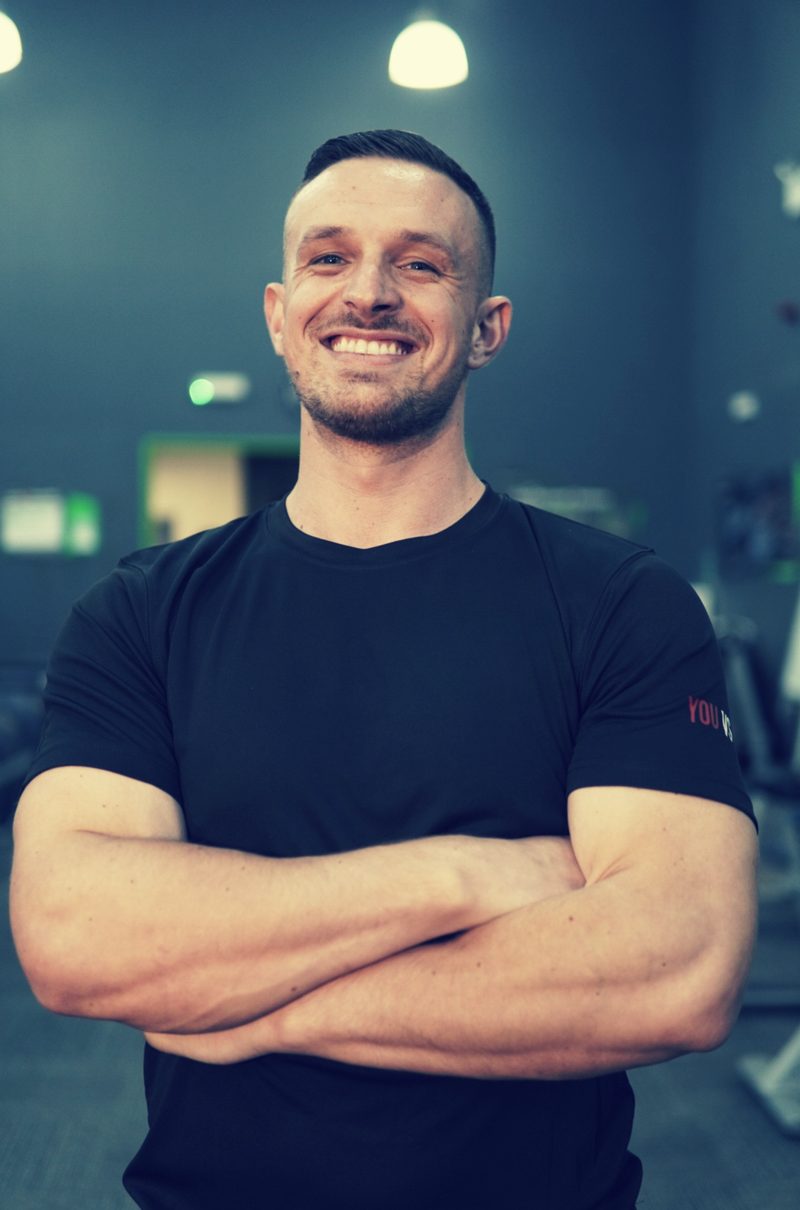
This is a free course written by Artem Olekhnovych, founder of SYP Fitness. Artem has more than 10 years of 1-to-1 coaching experience, holds Level 2 and Level 3 personal trainer qualifications, and has competed in bodybuilding himself. The course is built on the same order of steps he uses with clients.
It is written for three kinds of people:
- Complete beginners who don’t know where to start and want a clear path rather than random workouts.
- Restarters who have trained before, lost the habit and want to rebuild properly.
- Ambitious lifters who already train and want to see the whole road ahead, all the way to competing or reaching their natural potential.
You don’t need to want to become a bodybuilder. Most people will get everything they need for a fit, strong, healthy body from the first three levels. The later levels are there if you catch the bug and want to go further.
How to use the course
The course works best if you treat it like a set of lessons, not a pile of articles:
- Go in order. Each lesson builds on the ones before it. Skipping ahead to advanced programming before you can squat well is the most common way people stall or get hurt.
- One lesson at a time. Read a lesson, then live with it for a few days or a week before moving on. There is no prize for finishing quickly.
- Do the action steps. Every lesson ends with a short list of homework. Reading changes nothing on its own. The action steps are where the results come from.
- Come back. You will understand some lessons better the second time, once you have a few months of training behind you.
Where a topic already has a detailed guide on our site, the lesson links to it rather than repeating it. Use those links when you want more depth. If you want to start training this week while you work through Level 0, our 3-day beginner gym workout plan is a safe place to begin.
The 6 levels and what each covers
Level 0: Start Here (lessons 1-10)
The groundwork: why strength training matters, setting goals, a health check, building habits, how muscle growth and fat loss work, what to wear, gym etiquette, measuring your starting point and a day-by-day plan for your first week.
Level 1: Movement Foundations (lessons 11-25)
How to move well before you load up. Warming up, bracing, and the key movement patterns: squat, hinge, push, pull, single-leg work and carries. Plus core training, mobility, and the language of sets, reps, rest and effort.
Level 2: Beginner Training and Nutrition (lessons 26-45)
Your first proper programme, progressive overload, keeping a training log, cardio, and the nutrition basics: calories, protein, carbs, fats, hydration, meal prep, alcohol, sleep, stress and staying consistent. It finishes with a 12-week review.
Level 3: Novice to Intermediate (lessons 46-65)
What to do when beginner progress slows: training splits, volume, rep ranges, deloads and simple periodisation, barbell technique for the big lifts, your first pull-up, and how to run a fat loss phase, a lean bulk or a recomposition.
Level 4: Advanced (lessons 66-85)
More refined programming, fixing weak points, peaking and safely testing your maxes, diet breaks, supplements that have good evidence, injury prevention, conditioning, sleep, mental skills and planning your training over years.
Level 5: Elite (lessons 86-100)
What elite really means for a natural lifter, genetics, why we train natural, choosing a strength sport, contest and meet preparation, body image and mental health, working with a coach, training for life and passing it on.
How long will this take?
Honestly: reading the course takes weeks, but becoming the person at the end of it takes years.
- Levels 0-2 can take a few months. Many people work through them in roughly three to six months while training two or three times a week.
- Level 3 usually covers your first couple of years of steady training.
- Levels 4 and 5 are for people with several years of consistent training behind them. Reaching a genuinely elite natural level often takes the best part of a decade, and genetics play a part in how far anyone can go.
That is not meant to put you off. Every level brings real changes in how you look, feel and move. You don’t have to reach the end for the journey to be worth it.
Want someone in your corner? If you’d rather be taught these lessons in person, our 1-to-1 personal training in Archway follows the same foundations.
Your action steps
- Decide why you are starting. Write one sentence about what you want to be different in 12 weeks.
- Pick two or three days a week you can realistically train and put them in your calendar.
- Read lesson 2 on why strength training is the foundation next, then work through Level 0 in order.
- If you have any health conditions, read lesson 4 on the health check before starting exercise before you do your first session.
- Bookmark this page. The full course map is below, so you can always find your place.
The full course map
Level 0: Start Here
- Lesson 1: How to Get Fit From Scratch: Start Here
- Lesson 2: The Benefits of Strength Training: Why It’s the Foundation
- Lesson 3: How to Set Fitness Goals You’ll Actually Hit
- Lesson 4: The Health Check Before Starting Exercise: When to See Your GP
- Lesson 5: Fitness Mindset: Building Habits That Stick
- Lesson 6: How Does Muscle Growth Work, and How Does Fat Loss Work?
- Lesson 7: What to Wear to the Gym and What to Bring
- Lesson 8: Gym Etiquette for Beginners: The Unwritten Rules
- Lesson 9: How to Measure Fitness Progress From Your Starting Point
- Lesson 10: Your First Week at the Gym, Day by Day
Level 1: Movement Foundations
- Lesson 11: How to Warm Up Before Lifting: A 10-Minute Routine
- Lesson 12: How to Brace Your Core When You Lift
- Lesson 13: How to Squat Properly, From Bodyweight to Barbell
- Lesson 14: The Hip Hinge: Your Deadlift Foundation
- Lesson 15: Chest Press for Beginners: Press-Ups and Presses
- Lesson 16: Vertical Pushing: The Overhead Press for Beginners
- Lesson 17: Horizontal Pulling: How to Do Rows Properly
- Lesson 18: Vertical Pulling: Lat Pulldown vs Pull-Up
- Lesson 19: Single Leg Exercises: Lunges and Split Squats
- Lesson 20: Loaded Carries: Farmer’s Walk Benefits and Technique
- Lesson 21: Core Training for Beginners: The Simple Starting Plan
- Lesson 22: Mobility Exercises for Beginners Who Want to Lift Well
- Lesson 23: Free Weights vs Machines: Which Should a Beginner Use?
- Lesson 24: Sets and Reps Explained, Plus How Long to Rest
- Lesson 25: The RPE Scale for Lifting and Reps in Reserve
Level 2: Beginner Training & Nutrition
- Lesson 26: Your First Programme: A Full Body Workout 3 Days a Week
- Lesson 27: Progressive Overload Explained: How to Keep Getting Stronger
- Lesson 28: How to Keep a Training Log That Actually Helps You Progress
- Lesson 29: How Much Weight Should I Lift? Finding Your Starting Weights
- Lesson 30: Cardio for Beginners: How to Start and Build Your Fitness
- Lesson 31: What Is NEAT? The Calories You Burn Without Exercise
- Lesson 32: Calories Explained Simply: The Beginner’s Guide
- Lesson 33: Macronutrients Explained: Protein, Carbs and Fat
- Lesson 34: Protein for Beginners: How Much and From Where
- Lesson 35: Are Carbs Bad for You? Friend or Enemy Explained
- Lesson 36: Healthy Fats Explained: The Macro Beginners Fear Most
- Lesson 37: How Much Water Should I Drink When I Start Training?
- Lesson 38: How Much Fibre Per Day, and What About Vitamins and Minerals?
- Lesson 39: How to Build a Balanced Plate Without Counting Every Calorie
- Lesson 40: Meal Prep for Beginners: A Simple Weekly System
- Lesson 41: Alcohol and Weight Loss: Eating Out Without Losing Progress
- Lesson 42: Sleep and Muscle Growth: The Most Underrated Training Tool
- Lesson 43: Rest Days, Stress and Recovery: Why Less Can Be More
- Lesson 44: How to Stay Consistent With Exercise When Motivation Fades
- Lesson 45: Your 12 Week Fitness Progress Review: The Beginner Checkpoint
Level 3: Novice to Intermediate
- Lesson 46: When Beginner Gains Slow Down: Becoming an Intermediate Lifter
- Lesson 47: The Upper Lower Split: A 4-Day Plan for Intermediates
- Lesson 48: The Push Pull Legs Routine Explained
- Lesson 49: Training Volume: How Many Sets Per Muscle Group?
- Lesson 50: Intensity vs Volume: Which Matters More?
- Lesson 51: The Best Rep Range for Muscle Growth, Strength and Endurance
- Lesson 52: What Is a Deload Week and When Do You Need One?
- Lesson 53: Periodisation Made Simple: Planning Your Training in Blocks
- Lesson 54: Barbell Squat Form: The Back Squat Step by Step
- Lesson 55: Deadlift Form Step by Step: Pull Heavy, Stay Safe
- Lesson 56: Bench Press Form: How to Set Up and Press Safely
- Lesson 57: The Barbell Overhead Press: Technique Step by Step
- Lesson 58: How to Do a Pull-Up: A Plan for Your First Rep
- Lesson 59: The Hip Thrust and How to Train Your Glutes
- Lesson 60: Accessory Exercises: What They’re For and How to Choose Them
- Lesson 61: Interval training and the HIIT workout: how to use it well
- Lesson 62: How to set up a cutting phase without losing muscle
- Lesson 63: How to lean bulk: build muscle, limit fat gain
- Lesson 64: Body recomposition for intermediate lifters
- Lesson 65: How to break a strength plateau
Level 4: Advanced
- Lesson 66: Block Periodisation: Training in Focused Phases
- Lesson 67: Daily Undulating Periodisation: Varying the Stimulus Each Session
- Lesson 68: Autoregulation: Training to How You Feel (Without Going Soft)
- Lesson 69: Drop Sets, Rest-Pause and Myo-Reps: When to Use Intensity Techniques
- Lesson 70: Finding and Fixing Weak Points in Your Lifts and Physique
- Lesson 71: The Best Exercises for Hypertrophy: How to Choose Your Own
- Lesson 72: Peaking for Powerlifting: How to Be Strongest on the Day
- Lesson 73: How to Test Your One-Rep Max Safely
- Lesson 74: Diet Breaks and Refeeds: When to Step Off the Deficit
- Lesson 75: Nutrient Timing: What Matters and What Doesn’t
- Lesson 76: Creatine Benefits and the Evidence-Based Supplements Worth Knowing
- Lesson 77: Body Composition Tracking Like a Pro
- Lesson 78: Prehab Exercises and Injury Prevention for Lifters
- Lesson 79: Training Around Injury Without Making It Worse
- Lesson 80: Advanced Mobility for Lifters
- Lesson 81: Zone 2 Training and VO2 Max for Lifters
- Lesson 82: How to Improve Sleep Quality for Performance
- Lesson 83: Sports Psychology for Lifters: Focus and Visualisation
- Lesson 84: The Hotel Gym Workout: Training While Travelling
- Lesson 85: Your Long Term Training Plan: Planning Years, Not Weeks
Level 5: Elite
- Lesson 86: What Elite Means in Natural Bodybuilding and Strength
- Lesson 87: Genetics and Your Natural Muscle Building Potential
- Lesson 88: Steroid Side Effects and Why We Train Natural
- Lesson 89: Types of Strength Sports and How to Choose Yours
- Lesson 90: Bodybuilding Prep: A Realistic Contest Timeline
- Lesson 91: Peak Week Without the Dangerous Myths
- Lesson 92: Bodybuilding Posing Basics for Physique Competitors
- Lesson 93: Preparing for Your First Powerlifting Meet
- Lesson 94: Recovering After a Show: Reverse Dieting Done Right
- Lesson 95: Body Image and Mental Health in Fitness Competition
- Lesson 96: Choosing an Online Coach for Bodybuilding at Elite Level
- Lesson 97: HRV Training: Wearables and Data Without the Obsession
- Lesson 98: Strength Training for Longevity: Strong for the Long Haul
- Lesson 99: How to Become a Personal Trainer in the UK
- Lesson 100: Your Fitness Roadmap: The 0 to Elite Blueprint
Frequently asked questions
How do I get fit from scratch?
Start with a simple plan: learn the basic movements, train two or three times a week, eat enough protein, sleep well and progress gradually. This course takes you through those steps one lesson at a time.
How long does it take to get fit from scratch?
Most people notice they feel fitter and stronger within a few weeks, and the beginner levels of this course take a few months. Building an advanced or elite physique takes years of consistent training.
Is the 0 to Elite course free?
Yes. Every lesson is free to read on our blog. If you want in-person coaching, SYP Fitness offers 1-to-1 training in Archway and online coaching.
Keep going
Next: Lesson 2: The Benefits of Strength Training: Why It’s the Foundation
Want Artem to coach you through it? SYP Fitness is a private 1-to-1 personal training studio at 2-4 Navigator Square, Archway, London N19 3UB. Rated 5.0 from 106 Google reviews. Book a free consultation or WhatsApp Artem on 07301 512215.


