How to Become a Personal Trainer in the UK
0 to Elite course · Lesson 99 of 100 · Level 5: Elite
Many people who reach an advanced level start wanting to help others do the same. If that’s you, this lesson explains how to become a personal trainer in the UK, the qualifications and insurance you need, and the skills that matter far more than your own lifts.
Being a good lifter is not the same as being a good coach
Your years of training are a real asset. You know what hard work feels like, you understand programming, and you have made plenty of mistakes you can help others avoid. But coaching is a different skill. Most of your clients will not be advanced lifters. They will be beginners, busy professionals, people with injuries, people who feel nervous in a gym (see our guide to https://syp-fitness.co.uk/gym-anxiety). Your job is to meet them where they are.
Think back to Level 0 of this course. The people you coach will be starting there, and they need patience, not a Level 5 programme.
It also helps to be honest about the job itself. Personal training involves early mornings, late evenings, admin, marketing and a lot of conversation. The training part is often the easy bit. If you love helping people more than you love talking about your own lifts, you will probably enjoy it.
The UK qualification route
In the UK, the standard route has two stages:
- Level 2 gym instructor. This covers anatomy basics, exercise technique, safe gym instruction and how to build simple programmes. It qualifies you to work as a gym instructor on a gym floor.
- Level 3 personal trainer. This builds on Level 2 with more detailed anatomy and physiology, nutrition for physical activity, programme design and working with individual clients. Level 3 is generally what gyms and clients expect for a personal trainer.
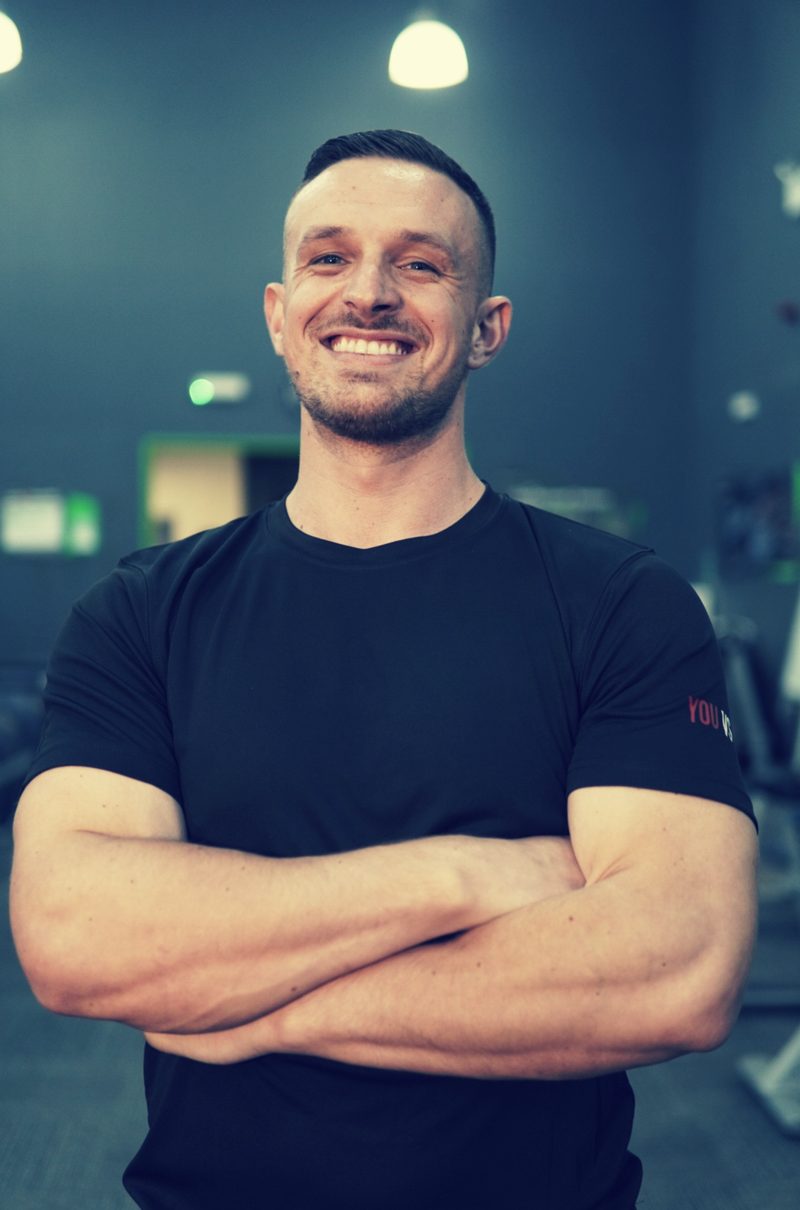
Courses are offered by many training providers, in-person, online or blended. Check that the qualification is a recognised, regulated Level 2 and Level 3 qualification before you pay, and compare a few options. Artem holds Level 2 and Level 3 qualifications, which you can read about on the https://syp-fitness.co.uk/personal-trainer-archway-about-me page.
Insurance, first aid and the basics
Before you train anyone, you will need:
- Insurance. Public liability and professional indemnity insurance are standard for personal trainers. Many gyms require proof before you can work there.
- First aid. A current first aid certificate is widely expected, and many trainers also learn to use a defibrillator.
- A health screening process. Every new client should complete a health questionnaire before training. Lesson 4 (https://syp-fitness.co.uk/health-check-before-starting-exercise) explained why: some people need to see their GP before starting.
Personal trainers do not diagnose or treat medical conditions. If a client has symptoms such as chest pain, dizziness, unexplained pain or an injury that is not improving, refer them to their GP or a physiotherapist. Knowing when to refer is one of the most important skills you will learn.
The skills that make a great coach
Qualifications get you started. These skills decide whether clients stay and get results:
- Listening. Understand what the client actually wants, which is often different from what they first say.
- Teaching movement simply. One clear cue beats five technical ones. Lessons 13 to 20 are a good model of how to break movements down.
- Building habits. Most results come from what clients do between sessions, not during them.
- Honesty. Set realistic expectations. Never promise results you cannot guarantee.
- Keep learning. Read, attend courses, and get coached yourself (lesson 96, https://syp-fitness.co.uk/working-with-a-coach).
How to get your first experience
Once qualified, many new trainers start as gym instructors or employed trainers to build confidence and experience before going self-employed. Shadowing an experienced coach, coaching friends and family for free (with insurance in place), and working with a wide range of people will teach you more than any textbook. Our guide on https://syp-fitness.co.uk/what-to-expect-first-personal-training-session shows what a good first session should feel like from the client’s side.
Your action steps
- Write down why you want to coach and who you would most like to help.
- Research at least three providers of recognised Level 2 and Level 3 qualifications and compare format, support and assessment.
- Book a first aid course, which is useful whether or not you go on to coach.
- Teach one friend a basic movement, such as the goblet squat, and notice which cues actually helped them.
Frequently asked questions
What qualifications do I need to be a personal trainer in the UK?
The usual route is a Level 2 gym instructor qualification followed by a Level 3 personal trainer qualification. You will also need insurance and, in most cases, a current first aid certificate.
How long does it take to become a personal trainer?
It depends on the course format and how much time you can commit. Some people study full time over a few months, others part time alongside work over a longer period.
Do personal trainers need insurance?
Yes. Public liability and professional indemnity insurance are standard, and most gyms ask for proof before you can train clients there.
Keep going
Previous: Lesson 98: Strength Training for Longevity: Strong for the Long Haul
Next: Lesson 100: Your Fitness Roadmap: The 0 to Elite Blueprint
Lost your place? See the full course map.
Want Artem to coach you through it? SYP Fitness is a private 1-to-1 personal training studio at 2-4 Navigator Square, Archway, London N19 3UB. Rated 5.0 from 106 Google reviews. Book a free consultation or WhatsApp Artem on 07301 512215.


