Strength and Conditioning: What It Is and Who It's For
Strength and conditioning, often shortened to S&C, is a structured way of training the body to perform better and stay robust. It grew up in professional sport, but its principles suit anyone who wants to move, feel and age well.
Strength and conditioning is a training approach built around one question: what does this person need to be able to do, and how do we prepare their body for it? For a footballer, that might be sprinting and changing direction. For a busy professional in their 40s, it might be carrying shopping up stairs, playing with their kids and staying free of niggles. Same principles, different goals.
What strength and conditioning means
The “strength” part is about building the capacity of your muscles, tendons and bones to produce and handle force. The “conditioning” part is about your heart, lungs and energy systems, so you can keep going and recover well between efforts.
A strength and conditioning programme blends these deliberately. It’s planned in phases, measured over time and adjusted based on how your body responds. If you’re new to the basics, start with our explainer on what strength training is.
The main components of S&C
- Strength: the foundation. Squats, hinges, presses, rows and carries, progressively loaded.
- Power: producing force quickly. Think jumps, throws and fast lifts. For non-athletes, this helps reaction time and balance as you age.
- Speed: moving quickly and efficiently, from sprint work for athletes to simply being able to catch yourself when you trip.
- Conditioning: intervals, circuits, rowing, cycling or brisk walking to build fitness and recovery.
- Mobility: enough usable range of motion at the hips, shoulders and spine to train well and move comfortably.
Not every component gets equal attention. A good coach weights them according to your goals and starting point. A sprinter needs a lot of speed and power work. Someone returning to exercise after years at a desk needs a strength and mobility base first, with conditioning built up gradually and power work added later, in small doses. The components stay the same; the recipe changes.
How it differs from general personal training
General personal training covers a huge range, from motivation-led circuits to highly structured programmes. Strength and conditioning sits at the structured end. The key differences:
- Planning: S&C uses phases with a clear purpose, rather than a different workout every session.
- Measurement: lifts, reps and other markers are tracked so progress is visible.
- Performance focus: the aim is to do more, not just to feel tired.
The best personal trainers borrow heavily from S&C. If that’s what you want, read our guide to choosing a personal trainer for strength training.
How it differs from bodybuilding
Bodybuilding training is mainly about how muscles look: size, shape and symmetry. It often uses lots of isolation exercises and moderate rep ranges to build muscle in specific areas.
Strength and conditioning is mainly about what the body can do. It uses more compound lifts, more varied rep ranges and some power and conditioning work. There’s plenty of overlap, and both build muscle, but the priorities differ. Many people do best with a blend: performance-based training that also improves how they look.
What an S&C week can look like for a non-athlete
You don’t need to train every day. For a busy adult, two or three sessions a week can cover everything. Here’s an example of how it might be organised:
- Session 1: lower-body strength (squat and hinge variations), a few jumps or kettlebell swings for power, then single-leg work and a carry.
- Session 2: upper-body strength (presses and rows), some core work and a short block of intervals on a bike or rower.
- Session 3 (optional): a full-body session at moderate weights, plus mobility for the hips, shoulders and upper back.
Between sessions, everyday walking counts as useful low-intensity conditioning. Over a few weeks the loads go up, the intervals get a little harder and the plan moves into its next phase. The structure is the same one athletes use, scaled to your life.
Who strength and conditioning is for
Athletes, obviously. But S&C principles are just as useful for:
- Adults over 30 who want to stay strong, mobile and injury-resistant.
- Runners, cyclists, climbers and weekend footballers who want to perform better and avoid niggles.
- Desk workers who feel stiff and want their bodies to work better day to day.
- Anyone who’s done general gym sessions for years and wants more structure.
Everyday movement and athletic training share the same building blocks. Our guide to functional training explains how those patterns carry into daily life.
How we use S&C principles at SYP Fitness
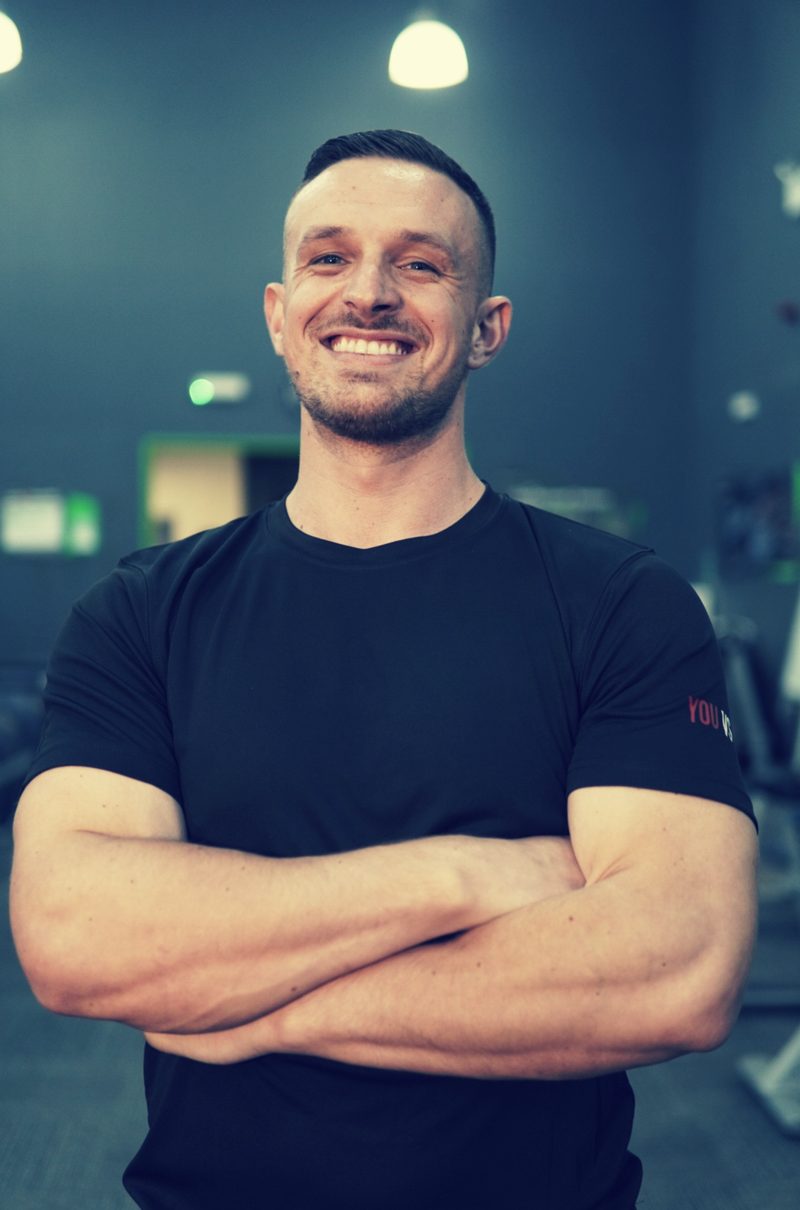
At our private 1-to-1 studio in Archway, our personal training programme is built on these principles: a strength foundation, sensible conditioning, mobility where you need it and progress tracked every session. Artem is a Level 2 and Level 3 personal trainer with more than 10 years of 1-to-1 coaching. Once you have the basics in place, you can move on to the methods in our advanced strength training guide.
Speak to your GP first if you have a heart or lung condition, uncontrolled blood pressure, a recent injury or you’ve been inactive for a long time. Power and high-intensity conditioning work should be built up gradually.
Want this coached 1-to-1? We apply proper strength and conditioning principles to busy, real lives. Book a free consultation at our Archway studio.
Frequently asked questions
What is strength and conditioning?
It’s a structured training approach that builds strength, power, speed, conditioning and mobility in planned phases, with progress measured over time.
Is strength and conditioning only for athletes?
No. The same principles help everyday adults stay strong, fit and less prone to niggles, especially as they get older or spend long hours at a desk.
What’s the difference between strength and conditioning and personal training?
Personal training is a broad term. Strength and conditioning is more structured, with phased programming and tracked performance. Good personal trainers often use S&C methods.
Is strength and conditioning good for weight loss?
It helps you keep muscle and build fitness while you lose fat. Fat loss itself still depends mainly on a sustainable calorie deficit.
Start your transformation
SYP Fitness is a private 1-to-1 personal training studio at 2-4 Navigator Square, Archway, London N19 3UB, 2 minutes from Archway tube. Rated 5.0 from 106 Google reviews.
Apply for a free consultation · WhatsApp Artem · Call 07301 512215 · See prices


